
If you’ve ever dealt with stubborn muscle tightness, tension headaches, or pain that feels “locked in,” you’re not alone. Many people find that stretching, massage, or heat brings temporary relief—but the tension always returns. That’s where dry needling steps in as a highly effective and clinically proven technique.
Dry needling targets trigger points—tight, irritated bands of muscle that restrict movement and refer pain to other areas of the body. When a fine, sterile needle is inserted into the trigger point, it helps release the tension, improve circulation, and restore normal muscle function. It’s incredibly precise, and the results can be felt almost immediately.
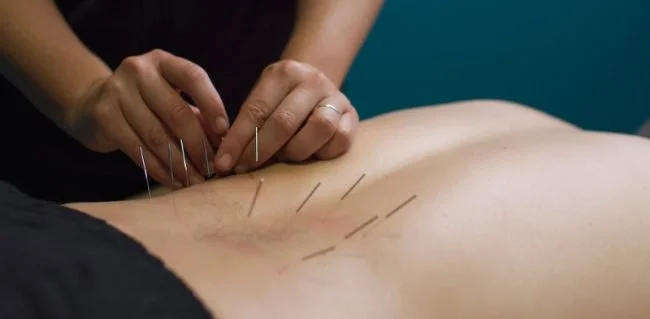
Patients often experience:
A noticeable release of tightness
Improved range of motion
Reduction in headaches and nerve irritation
Faster recovery after workouts or injuries
Relief from chronic muscular pain
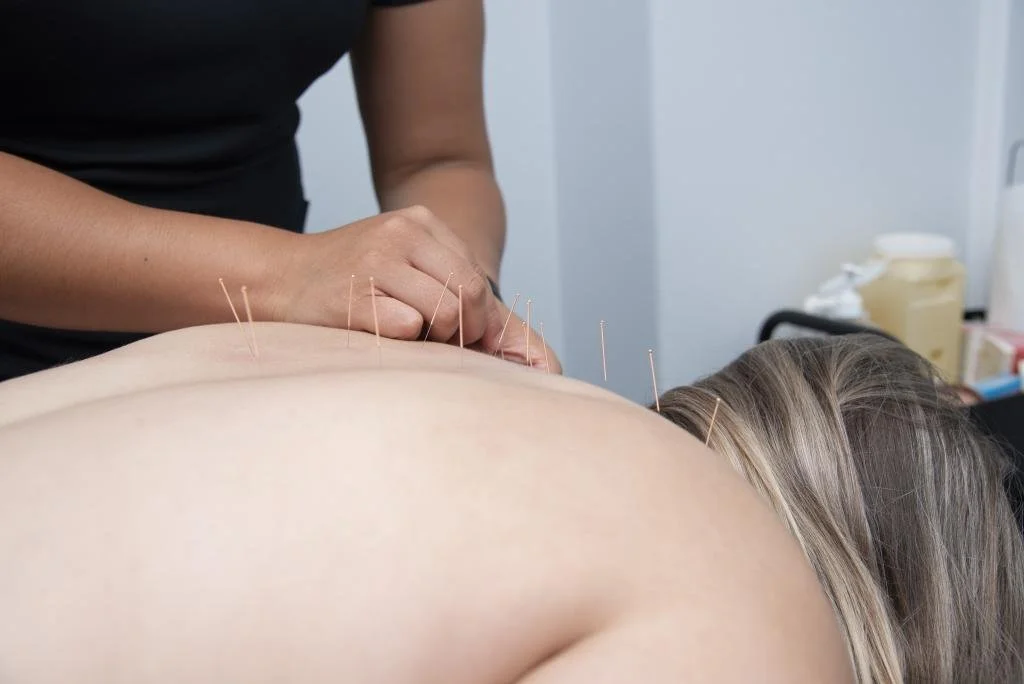
Dry needling is especially beneficial for people with:
Neck pain from desk work
Shoulder tightness
Lower back pain
Athletic muscle overuse
Postural tension
Sciatica or nerve irritation
While the needles may sound intimidating, most patients report very minimal discomfort—many feel only a small twitch or a dull ache as the muscle releases.
Why Choose Radiant Chiropractic for Dry Needling?
At Radiant Chiropractic, dry needling is not used in isolation—we combine it with spinal adjustments, soft-tissue therapy, stretching prescription, and lifestyle strategies so your results last longer. Because Dr Roz is certified in dry needling and trained to understand how muscles and nerves interact with the spine, you receive a treatment that is accurate, gentle, and tailored to your needs.
If you want tension-free movement, faster recovery, and long-term relief, dry needling might be the game-changer you’ve been searching for.
